Page148
CCTV
Closed Circuit Television (CCTV) is a detective device used to aid guards in detecting the presence of intruders in restricted areas. CCTVs using the normal light spectrum require sufficient visibility to illuminate the field of view that is visible to the camera. Infrared devices can “see in the dark” by displaying heat.
Older “tube cameras” are analog devices. Modern cameras use CCD (Charged Couple Discharge), which is digital. Cameras have mechanical irises that act as human irises, controlling the amount of light that enters the lens by changing the size of the aperture. Key issues include depth of field (the area that is in focus) and field of view (the entire area viewed by the camera). More light allows a larger depth of field because a smaller aperture places more of the image in focus. Correspondingly, a wide aperture (used in lower light conditions) lowers the depth of field.
Fig. 4.30 shows an image with a very narrow depth of field; a single line in a page of text is in focus.
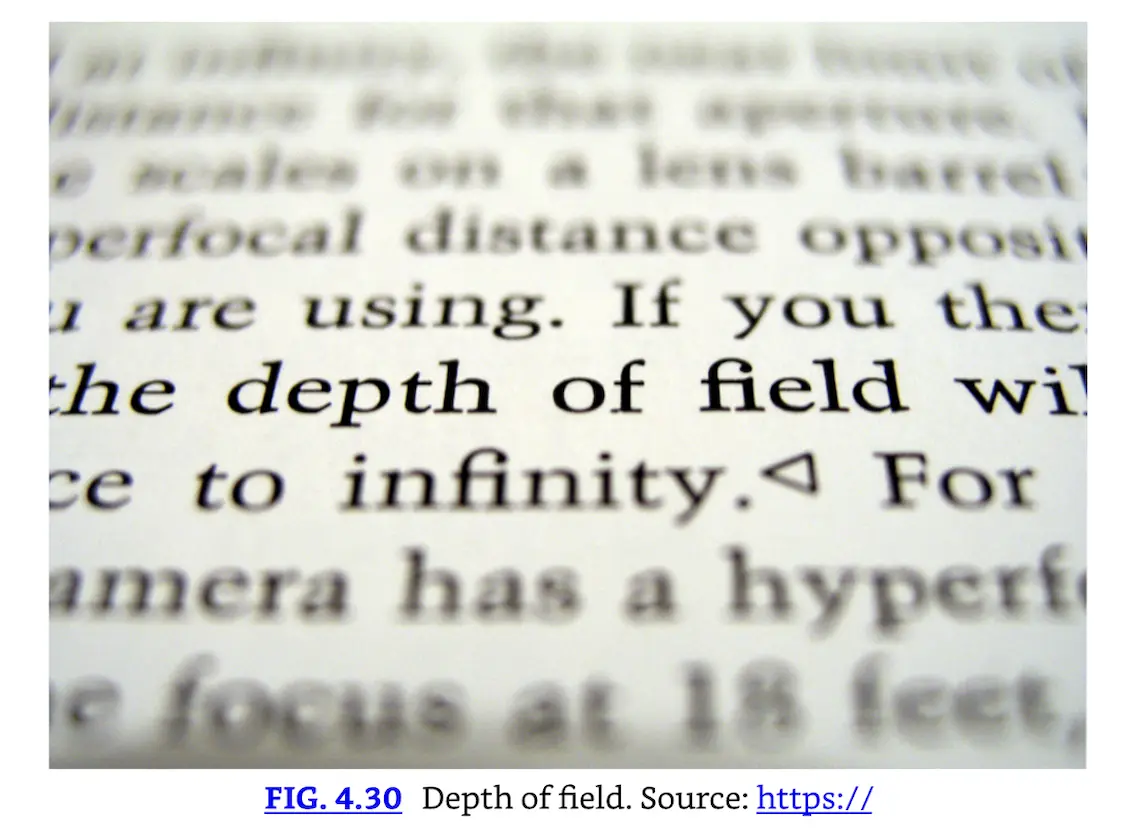
FIG. 4.30 Depth of field. Source: https://commons.wikimedia.org/wiki/File:DOF-ShallowDepthofField.jpg; Photograph by PiccoloNamek. Image under permission of Creative Commons Attribution ShareAlike 3.0 Unported.

CCTV cameras may also have other typical camera features such as pan and tilt (moving horizontally and vertically). Fig. 4.31 shows a CCD camera. CCTV displays may display a fixed camera view, auto scan (show a given camera for a few seconds before moving to the next), or multiplex (where multiple camera feeds are fed into one display).
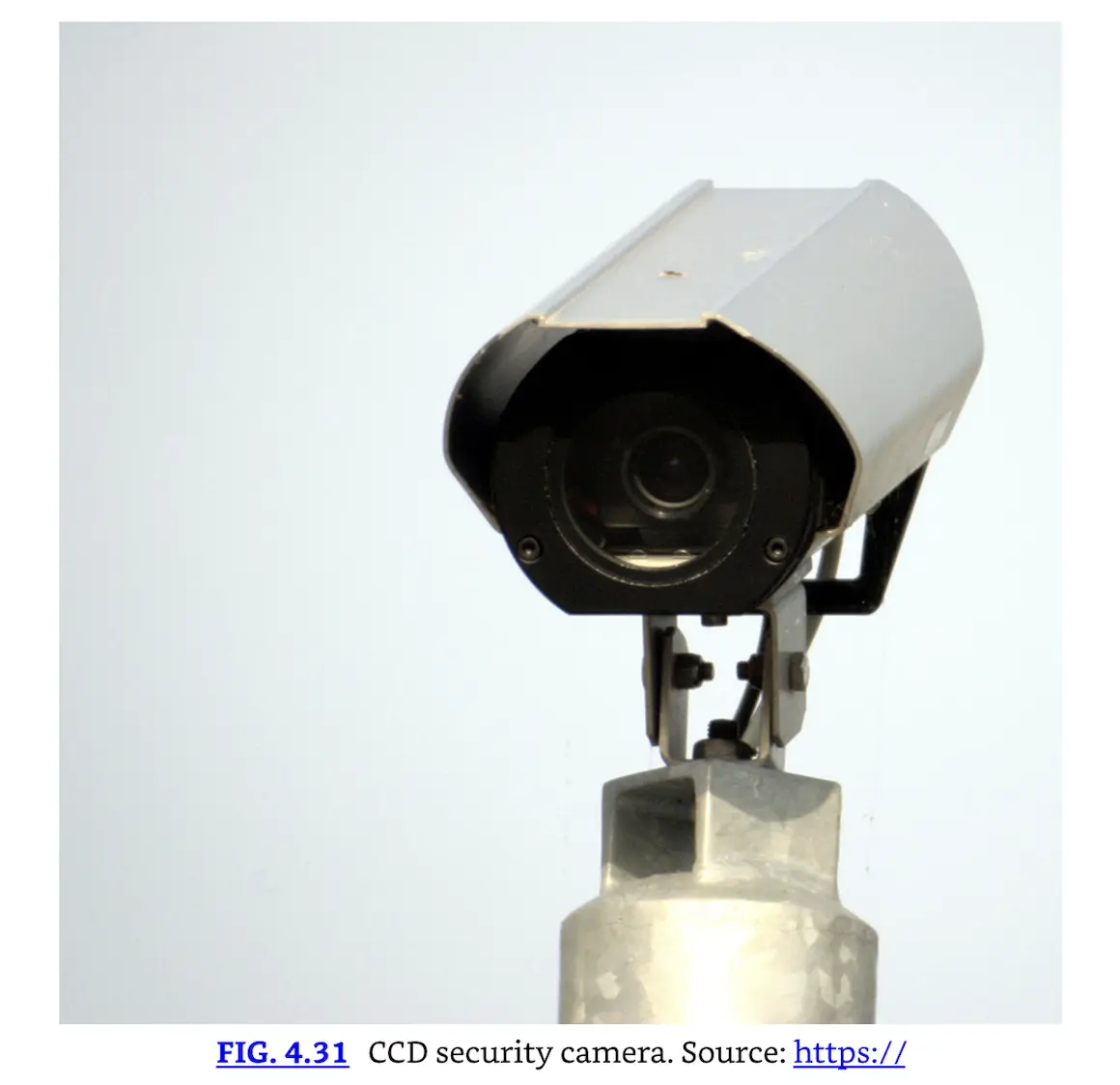
FIG. 4.31 CCD security camera. Source: https://commons.wikimedia.org/wiki/File:Camera-IMG_1961.JPG; Photograph by Rama. Image under permission of Creative Commons Attribution ShareAlike 2.0.

Magnetic tape such as VHS is used to back up images from tube cameras. CCD cameras use DVR (Digital Video Recorder) or NVR (Network Video Recorder) for backups. NVR uses TCP/IP to transmit data and has multiple advantages over other methods, including reusing existing TCP/IP networks and allowing centralized storage of all video data.
Exam Warning
Tube cameras are sometimes called CRT (cathode ray tube) cameras. Do not confuse CRT cameras with CRT displays: while a CRT camera may be viewed on a CRT display, they are different devices.