Page149
Locks
Locks are a preventive physical security control, used on doors and windows to prevent unauthorized physical access. Locks may be mechanical, such as key locks or combination locks, or electronic, which are often used with smart cards or magnetic stripe cards.
Key Locks
Key locks require a physical key to unlock. Keys may be shared or sometimes copied, which lowers the accountability of key locks. Also, many keys contain the “combination” (called a bitting code) printed right on the bow of the key. The bitting code for the key in Fig. 4.32 is 74226. The number represents the depth of the cut: 0 is shallow and 9 is quite deep. Copying this key is as simple as knowing the key type/size and bitting code. Experts can deduce the code by simply looking at the key (or a photograph of one).
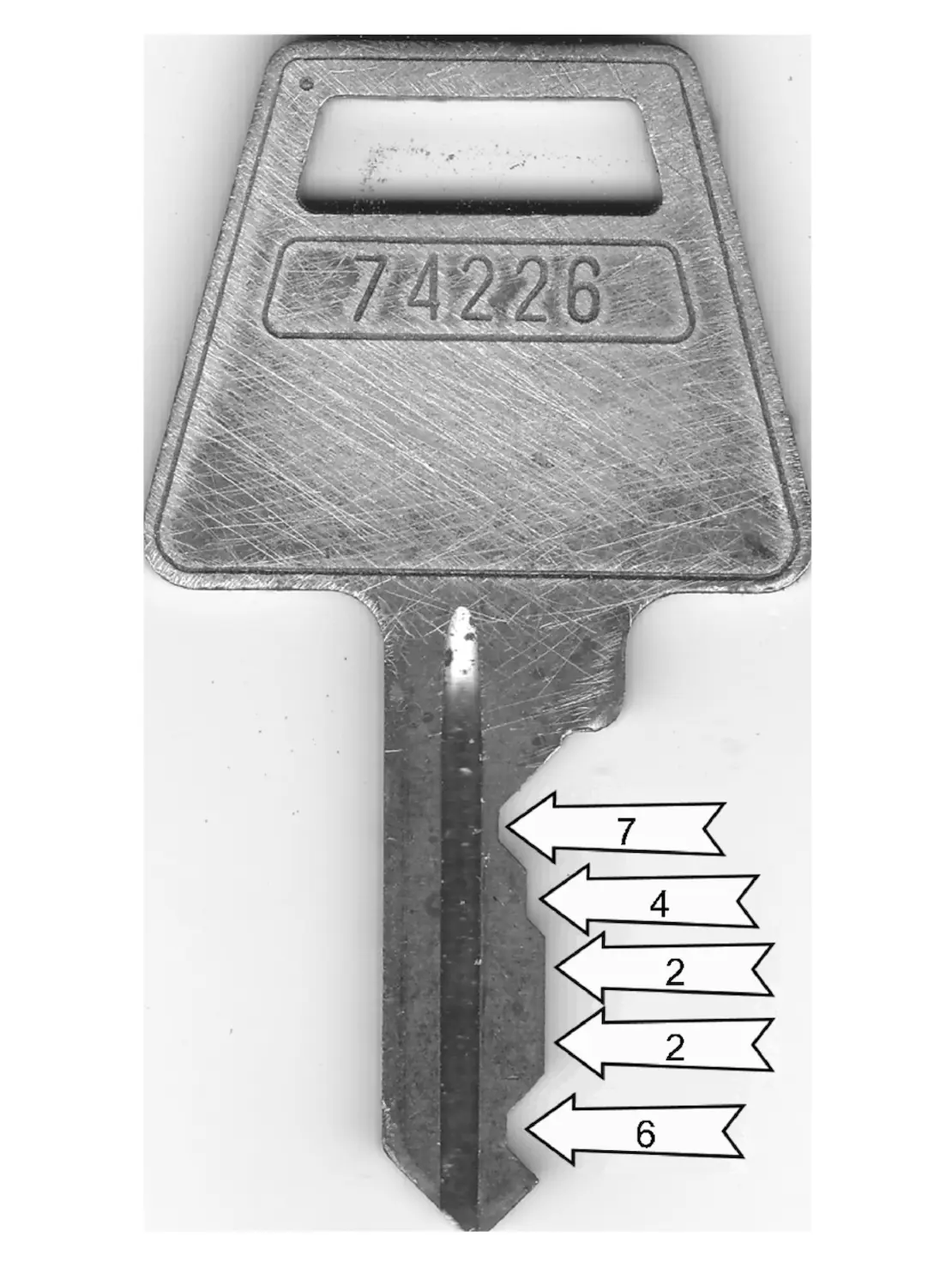
Fig. 4.32 Key with printed bitting code.
A common lock type is the pin tumbler lock, as shown in Fig. 4.33, which has two sets of pins: driver pins and key pins. The correct key makes the pins line up with the shear line, allowing the lock tumbler (plug) to turn. Using an incorrect key, as shown in Fig. 4.34, results in misaligned pins, jamming the lock plug.
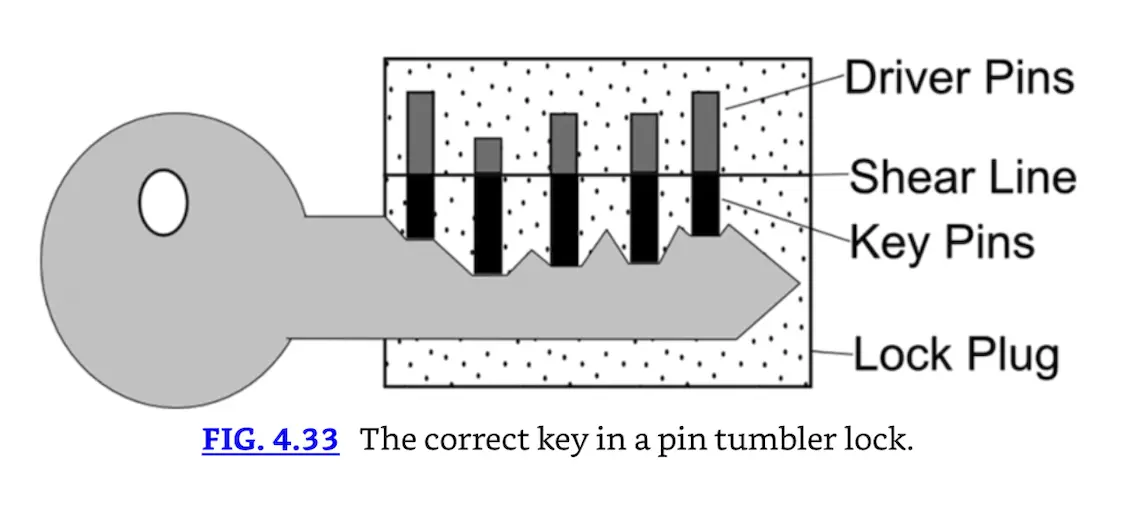
Fig. 4.33 The correct key in a pin tumbler lock.
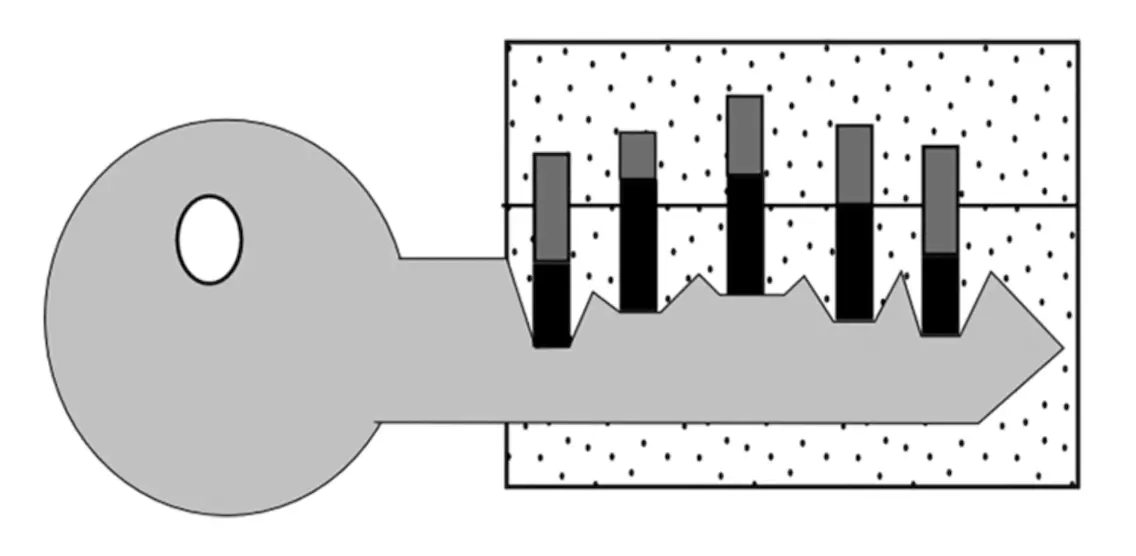
Fig. 4.34 The incorrect key in a pin tumbler lock.